Winter Storms and Home Insurance: What Homeowners Should Know About Coverage and Claims

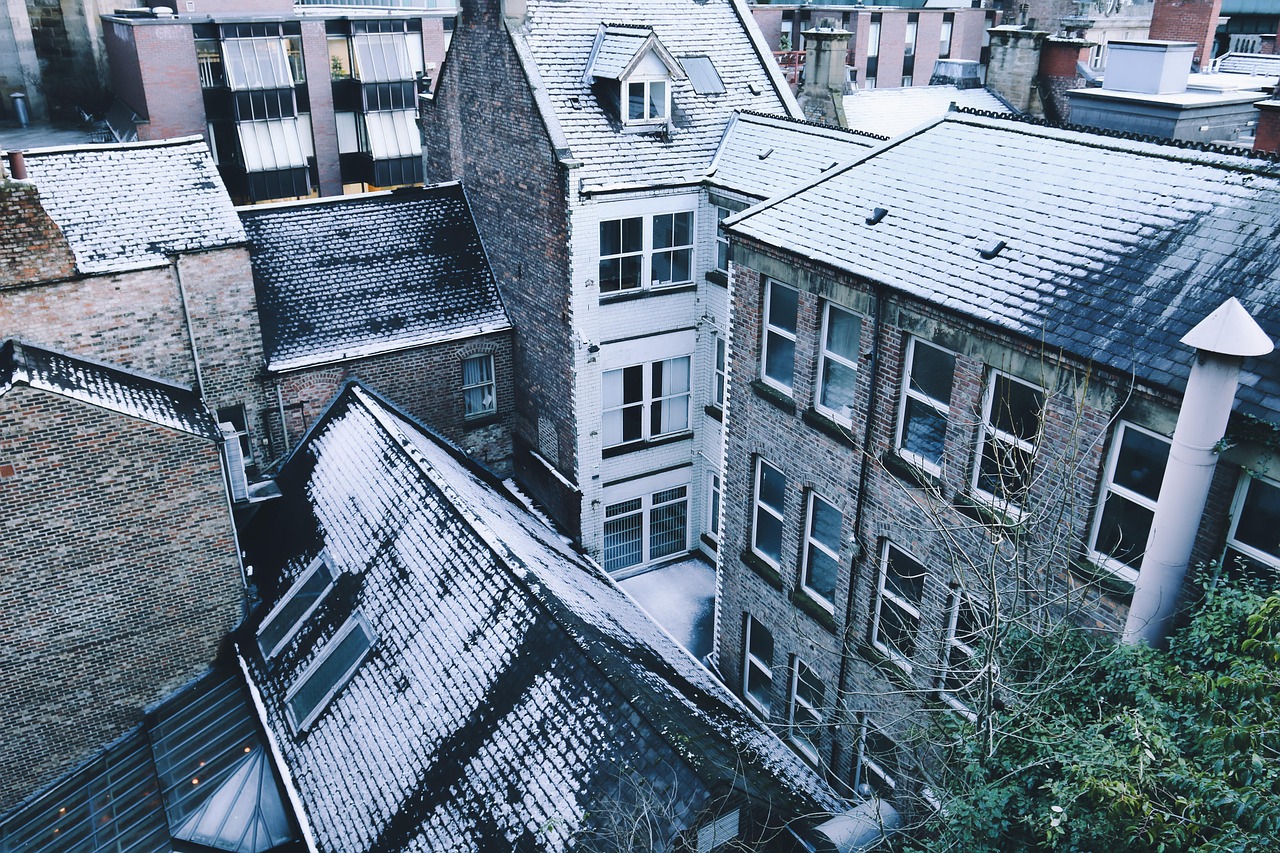
Understanding why winter storm claims are often covered
Winter weather can damage homes in several ways, from heavy wind gusts to snow and ice accumulation. A standard homeowners insurance policy commonly covers many types of winter storm damage, including losses caused by strong winds and even roof collapse due to excessive snow or ice buildup. Policies may also cover cleanup or repair costs if pipes freeze or if a furnace breaks down due to cold temperatures, as long as the homeowner took reasonable steps to heat the home and prevent the damage.
Before deciding whether insurance will pay for a specific winter storm or cold weather-related loss, it helps to understand how homeowners policies typically define covered “perils,” meaning the causes of damage or loss that a policy is designed to address. In practice, winter claims often fall into categories such as wind damage, snow and ice impacts, and freezing-related problems that lead to property damage.
How dwelling coverage is commonly structured
Under most home insurance policies, the home’s structure and structures attached to it (such as a garage or patio) are covered on a broad “all perils” basis. This approach generally means the insurer covers all causes of damage or loss to the dwelling except for a set of policy exclusions identified in the policy. In other words, rather than listing every covered event, the policy often covers a wide range of events and then specifies what is not covered.
This broad structure is one reason winter storm losses are frequently covered. Many winter-related causes of damage—wind, snow, ice, and freezing temperatures—fit into the kinds of broad perils associated with property damage in the winter. Even so, the details matter: coverage depends on the policy language, the specific cause of loss, and whether the damage was sudden and unexpected rather than the result of neglect or long-term deterioration.
Common winter-related losses that may be covered
Homeowners insurance generally covers damage due to wind, snow and ice, freezing temperatures, and other broad perils associated with winter property damage. While exact coverage varies by policy, most homeowners insurance policies should cover certain winter-related damages or losses when they are unexpected and not due to homeowner negligence or general wear and tear.
Wind-related damage: Losses caused by heavy wind gusts are commonly included under standard homeowners coverage.
Roof collapse from snow or ice: Roof collapse due to excessive snow or ice buildup is a type of winter storm damage that standard policies may cover.
Frozen pipes and related cleanup or repairs: Many policies will cover cleanup or repair costs if pipes freeze, as long as the homeowner took reasonable steps to heat the home and prevent the damage from occurring.
Furnace breakdown due to cold temperatures (in certain circumstances): Some policies may cover cleanup or repair costs if a furnace breaks down due to cold temperatures, again tied to the expectation that the homeowner took reasonable steps to heat the home and prevent damage.
Because policies can differ, reading through the policy and the particular perils the insurer covers (and does not cover) is a practical first step before filing a claim. Even when a loss appears to fit a winter peril, the insurer may evaluate how the damage occurred and whether any exclusions apply.
Negligence, wear and tear, and why they matter
A key theme in winter storm claims is the difference between sudden, unexpected damage and damage that an insurer may attribute to negligence or general wear and tear. Generally speaking, most homeowners insurance policies should cover winter-related damages or losses provided they were unexpected and not due to homeowner negligence or general wear and tear.
This distinction can become important when an insurer evaluates whether the homeowner contributed to the loss. For example, proximate cause is not always black and white. If a tree on the property was rotten and later falls during a storm, an insurer might argue that the homeowner contributed to the damage by failing to maintain the tree. The same general concept can apply to other home conditions: existing damage or poor maintenance can complicate a claim if the insurer believes the loss was not truly sudden or was made more likely by neglect.
Claim basics: burden of proof and the role of policy language
In addition to knowing what a policy does and does not cover, it can be helpful to understand some basics of dwelling coverage claims and the rights of the person filing. One principle highlighted in winter storm claim discussions is that, for an insurance company to deny a claim for damage to the home, the burden of proof is generally on the insurer to prove that the cause of the damage is not covered under the policy.
Even with that general principle, homeowners still benefit from careful documentation and a clear understanding of policy terms. Because many policies are written on an “all perils” basis for the dwelling, the analysis often becomes a question of whether an exclusion applies. That is why reviewing exclusions and exceptions before filing can reduce surprises and help set expectations about what the insurer may focus on during the investigation.
Deductibles: why a covered claim may still lead to limited payment
Coverage is only one part of the financial outcome of a claim. To be reimbursed for repairs, the total damage or loss from a covered event must be higher than the policy deductible, which is the amount the homeowner is responsible for before insurance starts paying.
For example, if an insurer estimates the home incurred $1,500 in damage and the policy deductible is $1,000, the insurer would only pay out $500. This is a common reason homeowners sometimes feel a claim is “not covered” when, in reality, the claim may be covered but the loss amount does not exceed the deductible by very much.
Exclusions and coverage exceptions to review before filing
In addition to verifying whether a loss is covered, homeowners should be aware of policy exclusions and coverage exceptions that insurers often cite when denying claims. Reviewing these exclusions in advance can help homeowners understand what issues might be disputed and whether additional endorsements are worth considering.
One important example referenced in winter storm discussions is flooding, which may be an excluded peril. In general terms, homeowners insurance typically covers most winter storm damage—such as wind, roof collapse, frozen pipes, and water or mold damage—provided the damage was not due to negligence, wear and tear, or excluded perils like flooding.
Because exclusions can be technical and fact-specific, the most reliable approach is to read the policy language closely and compare it with the actual cause of loss. Where the cause of damage involves multiple factors—such as snowmelt, water intrusion, and backups—understanding how the policy treats each component can be important.
Preparing the home to reduce winter storm damage and claim complications
The most effective way to avoid winter storm damage—and the extensive and costly claims process that can come with it—is to prepare the home to withstand winter elements. Preparation can also reduce the risk that an insurer later argues the damage was related to neglect or pre-existing wear and tear.
Practical preparation steps often focus on routine maintenance and prevention. Examples of protective actions include insulating pipes, clearing gutters, trimming trees, and addressing existing damage before the winter season. These steps are frequently framed not only as ways to prevent losses, but also as ways to support a smoother claim process if damage occurs.
Insulate pipes to reduce the risk of freezing-related damage.
Clear gutters to help manage winter precipitation and meltwater.
Trim trees to reduce the chance of damage during high winds or heavy snow.
Address existing damage before winter to avoid disputes about wear and tear or neglect.
These measures do not guarantee that a claim will be approved or that damage will not occur, but they align with the general expectation in many policies that homeowners take reasonable steps to heat the home and prevent damage—particularly in scenarios involving frozen pipes or cold-related system issues.
Considering endorsements to address potential coverage gaps
Homeowners may also consider reviewing their policy for gaps in coverage worth addressing ahead of winter storm season. Some endorsements are described as relatively inexpensive add-ons that expand protection for specific types of losses that can occur during winter weather events or their aftermath.
Two examples commonly discussed are water backup coverage and equipment breakdown coverage:
Water backup coverage: This endorsement can cover the cost of cleanup and repairs if extreme snowmelt or precipitation leads to a sewer or sump pump backup in the home.
Equipment breakdown coverage: This endorsement can reimburse homeowners when home systems or appliances suffer unexpected mechanical or electrical damage.
Endorsements do not replace the need to understand the base policy’s exclusions and deductibles. Instead, they can be a way to tailor coverage to risks that may be more likely or more costly, especially when winter weather increases stress on home systems and water management.
Putting it together: a practical approach to winter storm insurance decisions
Homeowners insurance typically covers many winter storm losses, including wind damage, roof collapse from snow or ice, frozen pipes, and certain types of water or mold damage—so long as the damage was not caused by negligence, wear and tear, or excluded perils such as flooding. Because the dwelling portion of many policies is written on an “all perils” basis, the claim outcome often turns on whether an exclusion applies and whether the homeowner took reasonable steps to prevent foreseeable damage.
A practical approach begins with reading the policy carefully, focusing on covered perils, exclusions, and deductibles. From there, homeowners can prepare the property for winter by insulating pipes, clearing gutters, trimming trees, and addressing existing damage. Finally, reviewing optional endorsements—such as water backup coverage and equipment breakdown coverage—can help reduce the chance of an unexpected gap if snowmelt, precipitation, or system failures create additional damage.
When a winter storm loss does occur, understanding claim basics can help set expectations. The insurer may need to show that a cause of damage is excluded in order to deny coverage, but the homeowner still benefits from being organized, knowing the deductible, and being prepared to explain how the damage happened and what reasonable preventive steps were taken.