Ruben Amorim Sacked by Manchester United After 14 Months in Charge

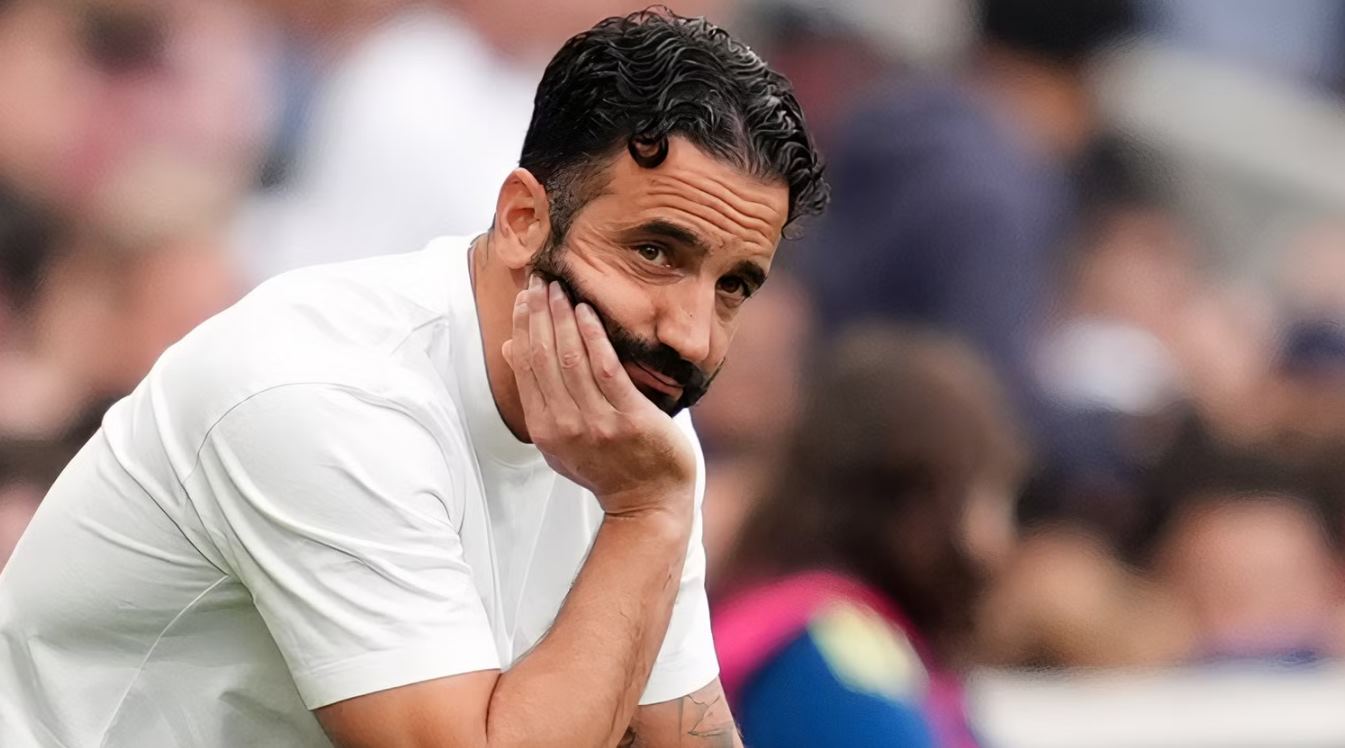
Manchester United make managerial change
Manchester United have sacked Ruben Amorim after 14 months in charge, bringing his time as head coach to an end less than a day after the team’s 1-1 draw with Leeds. The club confirmed that Amorim had “departed his role as head coach of Manchester United”, and said the decision was taken with the team sitting sixth in the Premier League.
Darren Fletcher is set to take charge for Wednesday’s Premier League game against Burnley, with United moving quickly to put interim arrangements in place following the announcement.
Comments that highlighted strain with the hierarchy
The departure follows a short period in which Amorim publicly suggested that his relationship with club officials had become strained. At a news conference on Friday, he hinted that he would not be fully backed in the transfer market, a remark that pointed to tensions over how the club’s leadership intended to support his plans.
After Sunday’s draw at Leeds, Amorim made further comments that were interpreted as another criticism of senior figures at the club. The Portuguese coach said he wanted to work as a manager “not the coach”, and added that he was ready to leave when his contract expired in 18 months’ time.
Less than 24 hours after those remarks, United confirmed the change, ending his tenure in the role.
The club’s stated reasoning
In its statement, Manchester United framed the decision as one made with reluctance but also with a clear objective for the remainder of the season. “With Manchester United sitting sixth in the Premier League, the club's leadership has reluctantly made the decision that it is the right time to make a change,” the club said.
United added that the move was intended to improve the team’s prospects in the league: “This will give the team the best opportunity of the highest possible Premier League finish.”
The club also offered thanks to Amorim, saying: “The club would like to thank Ruben for his contribution to the club and wishes him well for the future.”
What happens next
With Fletcher set to take charge for the upcoming match against Burnley, United’s immediate focus turns to maintaining momentum in the Premier League and attempting to improve on their current position of sixth. The timing of the decision means preparations for the next fixture will take place under new leadership, with players and staff adjusting quickly to the change.
Amorim’s exit also leaves questions around the club’s direction and decision-making, particularly after his recent comments about backing and his desire to operate as a “manager” rather than “the coach”. While the club’s statement emphasised league position and the pursuit of the highest possible finish, the sequence of events suggests that the public nature of the relationship between head coach and hierarchy had become a significant factor in the final outcome.
Key points
- Manchester United have sacked head coach Ruben Amorim after 14 months in charge.
- Darren Fletcher is set to take charge for Wednesday’s Premier League game against Burnley.
- Amorim hinted at strained relations with club officials and suggested he would not be fully backed in the transfer market.
- After the 1-1 draw with Leeds, he said he wanted to work as a manager “not the coach” and was ready to leave when his contract expired in 18 months.
- United said the decision was made with the club sitting sixth in the Premier League, aiming to give the team the best chance of the highest possible league finish.
Context around the Leeds draw and the decision
The immediate backdrop to the sacking was Sunday’s 1-1 draw at Leeds. While the match itself ended level, the post-match discussion quickly shifted toward Amorim’s comments and what they revealed about his situation at the club. His remarks about wanting to be a “manager” rather than “the coach” indicated dissatisfaction with how responsibilities and authority were structured.
His reference to being ready to leave at the end of his contract in 18 months also introduced uncertainty about the longer-term stability of his position. Within a day, the club acted decisively, announcing his departure and outlining its intention to maximise its league finish from sixth place.
A brief closing chapter to a 14-month spell
Amorim’s time in charge ends after 14 months, with his final days shaped by public statements about support, authority, and his working relationship with senior figures. United’s leadership described the decision as reluctant, but positioned it as a step they believe will improve the team’s prospects in the Premier League.
As Fletcher prepares to oversee the next match, attention will now turn to how United respond on the pitch and how the club manages the transition following a swift and high-profile managerial change.