Gary Neville urges Manchester United to end managerial experiments and return to club DNA

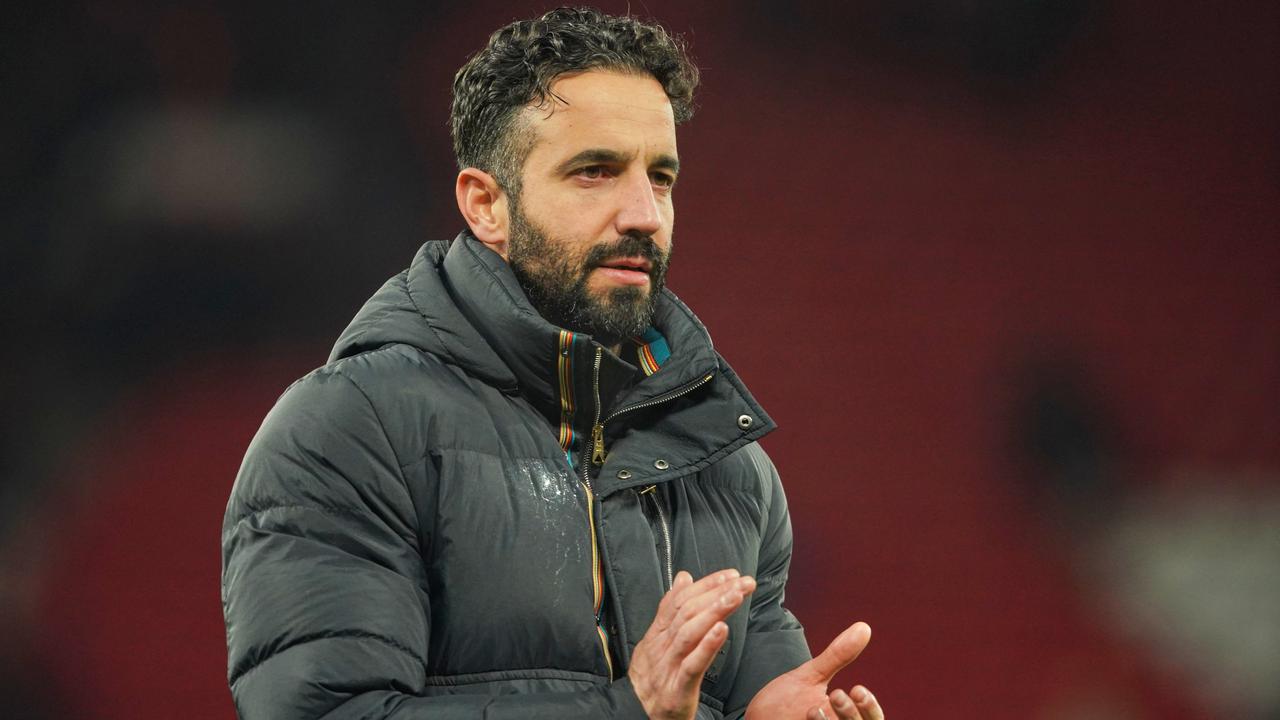
United move on from Ruben Amorim after 14 months
Manchester United have dismissed Ruben Amorim after 14 months as manager, triggering another period of uncertainty at Old Trafford. Former midfielder Darren Fletcher has been placed in charge on an interim basis until a caretaker is appointed, while the club’s stated plan is to wait until the summer before naming a permanent successor.
The decision has prompted renewed debate about what United should look for in their next head coach, and whether the club’s recent approach to managerial appointments has drifted away from a consistent footballing identity.
Neville: “The experiments have got to stop”
Gary Neville believes Manchester United must prioritise a manager who aligns with what he describes as the club’s DNA. Speaking to Sky Sports, the former United and England full-back said the next appointment should reflect traditions he associates with the club: adventurous and exciting football, the courage to play attacking and aggressive football, and a willingness to use young players while entertaining supporters.
Neville argued that United should not reshape themselves around an individual manager’s preferences. He referenced the idea of a club identity that remains stable, saying he does not believe United should “change for anybody” and that the club must instead find a manager with experience who is willing to play fast, entertaining, attacking and aggressive football.
Why Amorim’s tactical vision did not translate
Amorim arrived with a clear tactical approach, favouring a 3-4-3 formation that had previously brought him success at Sporting. However, United struggled to adapt to the system. Neville said he expected the team to adjust more effectively to a back three and added that he was “really stunned” the side continued to play poorly within that setup.
On
The Rest Is Football
podcast, Gary Lineker suggested the relationship between Amorim’s ideas and the squad’s strengths never looked comfortable. Lineker said it did not seem to be the right fit and described Amorim as “a bit stubborn” about how he wanted to play, adding that the players did not suit the style and that the club should have recognised that.Is the United job still attractive?
Jamie Carragher believes the role remains appealing despite the upheaval. Speaking to Sky Sports, the former Liverpool defender said the position would be “an attractive job” for any manager, describing United as one of the biggest clubs in the world. Carragher also argued that, sooner or later, someone will get it right at United, adding that the club is “too big to consistently fail.”
Waiting until summer: a strategic pause
Neville also backed the idea of delaying a permanent appointment until the summer. He said he does not think the current manager pool is “full right now in terms of great talents,” and suggested there may be more coaches available later, referencing the wider football calendar and the “World Cup situation.”
In the same discussion, Neville pointed to Chelsea’s decision to bring in Liam Rosenior as an example of a major club moving in a direction that, in his view, is not what such clubs are used to or should expect—while stressing this was not intended as disrespect to Rosenior.
Calls for Premier League pedigree and leadership
Rene Meulensteen, who spent six years as United’s first-team coach, urged the club to avoid rushing into another appointment simply to fill a void. Speaking on BBC Radio 5 Live, he said United need “somebody with pedigree,” specifically someone who understands the Premier League and has been successful in it.
Meulensteen also outlined personal qualities he believes are important for the role: a strong personality, charisma, and a clear vision for taking the club forward.
Former United goalkeeper Mark Bosnich said the focus should be on the club and team performing well, adding that supporters “deserve to know what’s going on.” He described the current situation as “a complete mess,” reflecting the frustration many fans feel during another transition.
Press conferences, honesty, and the limits of goodwill
Amorim developed a reputation for explosive news conferences after joining United in November 2024. In January 2025, he described his team as “maybe the worst” in the club’s 147-year history, a remark that drew attention for its bluntness.
Rio Ferdinand, speaking on his podcast, said one of Amorim’s most likeable traits was his ability to be “quite punchy” in press conferences. Ferdinand added that Amorim could be upbeat and jovial in his manner.
Carragher was more critical, saying Amorim would be “bottom of the list” of managers to have succeeded Sir Alex Ferguson since 2013. He added that the best part of Amorim’s time at United was his press conference performances rather than the team’s displays, and suggested that at times Amorim sounded like a pundit—an issue, Carragher said, because he was the manager.
Neville, however, defended Amorim’s sincerity. He said he did not believe Amorim’s comments were merely sound bites, describing him as genuine and honest, and “absolutely all in” in what he did. But Neville added that likeability and honesty cannot outweigh poor results and performances at a club like United, where failure typically leads to dismissal.
Academy questions and comments on young players
Amorim’s comments last month about 18-year-old striker Chido Obi and 18-year-old left-back Harry Amass also drew scrutiny. While trying to emphasise that he was not afraid to play young players, he criticised the performance levels of Obi and Amass, with Amass currently on loan at Sheffield Wednesday.
Phil Jones, speaking on BBC Radio 5 Live’s
The Monday Night Club
, said the academy is and always will be a major part of United’s DNA. Jones noted that Amass had been doing really well and had won a player-of-the-month award, while Obi had been scoring in the under-21s, adding that the public criticism did not help Amorim.Players pay tribute as the club enters another interim phase
Following Amorim’s departure, captain Bruno Fernandes was among the players who posted tributes on social media. Fernandes wrote: “Thank you, sir! I wish you and your technical staff all the best.” Fernandes has also recently said he was “hurt” to realise the club “wanted me to leave” when Saudi Arabian side Al-Hilal proposed a huge offer last summer.
Defender Harry Maguire also shared a message, posting a photo of himself shaking hands with Amorim and writing: “Thank you for everything boss. I wish you all the best in the future.”
What comes next
With Darren Fletcher taking temporary charge and a caretaker expected before any long-term decision in the summer, United now face a familiar challenge: stabilising results while defining what they want to be on the pitch. Neville’s message is clear—he believes the next manager must fit the club’s identity rather than forcing the club to fit a manager’s system.
- United have dismissed Ruben Amorim after 14 months in charge.
- Darren Fletcher is in charge until a caretaker is appointed.
- The club plans to appoint a permanent manager in the summer.
- Neville wants an experienced coach aligned with United’s traditional style: attacking, aggressive, entertaining football and youth development.
- Others have called for Premier League pedigree, leadership, and a clear long-term vision.